

by Tanvir Kaur on 29 Jan, 2026
Did you know that the average person makes around 35,000 decisions a day? It sounds unbelievable, but when you think about it, so many of those decisions involve money—what to buy, what to save, what to skip, and how to plan ahead.
Now think about our kids. Are they ready to make money decisions with confidence? Do they have the tools and awareness to understand taxes, budgeting, saving, or even spotting scams?
This is exactly why money conversations need to start early. Many decisions, like how much toothpaste to squeeze, happen automatically. Financial decisions, on the other hand, require attention, knowledge, and intention.
In recent years, the Financial Consumer Agency of Canada (FCAC) has introduced many initiatives to make the financial ecosystem more accessible, inclusive, and effective for Canadians. One important part of that strategy is teaching children and youth how money works, and helping them build financial confidence from a young age.
This blog walks through why financial literacy matters for students, the role teachers play, key questions educators often ask, plus free tools and resources you can start using right away.
Free National Financial Literacy Competitions for Grades 6–12
From January 26 to March 13, 2026, ChatterHigh will host three free, national, curriculum-aligned competitions for Grades 6–12, designed to strengthen students’ financial literacy, tax knowledge, insurance awareness, and overall readiness for life beyond school.
Money Management CompetitionStudents learn essential money skills, including:
Learn About Your Taxes CompetitionStudents build confidence with:
Insurance Literacy & Me CompetitionStudents explore:
Why Schools Love These Competitions
|


Why Financial Literacy Matters for Students
Every day, students watch adults make financial choices from paying bills to buying groceries. In today’s economy, where multiple income streams are becoming normal, having the skills to manage money is just as important as math and reading.
Here’s how financial literacy helps students:
- Financial Empowerment: Students learn the basics behind interest rates, banking tools, budgeting, and even what the stock market is. This helps them navigate the real world more independently.
- Direction and Goal-Setting: Knowing how money works helps students create realistic goals—saving for a car, college, or even a future trip.
- Confidence: Understanding money builds confidence in everyday decisions, from spending to saving.
- Protection from Scams: Financial literacy helps students recognize fraud, manage debt wisely, and safeguard their personal information.
- Independence & Resilience: Money-smart students grow into resilient adults who can handle financial challenges, emergencies, and life-transitions.
Learning these skills also opens doors to future careers such as finance, business, accounting, entrepreneurship, and more.
The Impact of Financial Education
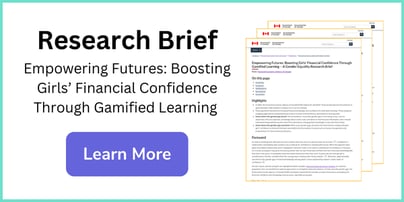 Gender stereotypes can influence girls’ financial confidence and contribute to gaps in financial knowledge. The Empowering Futures: Boosting Girls’ Financial Confidence Through Gamified Learning research brief by the Financial Consumer Agency of Canada (FCAC) demonstrates how engaging, gamified financial education can help address these disparities.
Through an ongoing collaboration with ChatterHigh, FCAC’s financial literacy courses reached more than 7,400 students across Canada, supporting measurable gains in financial confidence and understanding. These courses continue to be available on ChatterHigh, helping educators support students in building essential financial skills and closing the gender gap in financial confidence.
Key Findings:
- Increased financial knowledge and confidence in both boys and girls.
- Improved understanding of financial topics, like credit cards and budgeting, among students.
- Greater preparedness for real-world financial decisions and a reduced gender gap in financial confidence.
The Role of Teachers in Fostering Financial Literacy
Teachers play a huge role in shaping how students understand money. A strong financial foundation early in life helps students make the most of the resources they have later on. With technology and free online tools, teachers now have access to a wide range of lesson-ready materials covering topics like:
- Saving & budgeting
- Smart spending habits
- Earning money & understanding paycheques
- Taxes and government benefits
- Insurance basics
- Spotting and avoiding scams
- Government grants and loans for education and post-secondary pathways
These concepts fit easily into subjects like:
- Mathematics
- Social Studies
- Business
- Career & Life Planning
- Health, Wellness & Personal Development
- Family Studies & Home Economics
Teachers can also encourage parents to continue money conversations at home by sharing resources or assigning simple activities over weekends or summer break.
Resources & Tools for Teachers
Below is a curated list of free financial literacy tools that teachers can bring directly into the classroom.
Free Financial Literacy Curriculum & Lesson Plans
1. ChatterHigh
ChatterHigh provides five free, curriculum-aligned online courses that help students build real-world financial understanding through interactive, gamified learning. Each module supports provincial curriculum outcomes and equips learners with practical skills they can apply throughout their lives.
Empower students to be responsible citizens with bilingual courses that break down the Canadian tax system and provide the tools to complete their own taxes confidently.
We’ve also introduced a new course:
Course 5, Part 2 – Learn About Your Taxes: Practice with Case Scenarios - In this course students will explore the tax situations of different individuals across Canada. Students can apply their tax knowledge to a simplified income tax and benefit return to determine the basic calculations for each case study.
In this bilingual course from the Canada Revenue Agency, students will learn about the many registered savings plans available in Canada and how they help people save for education, retirement, disability support, and buying a first home.
This bilingual course introduces students to resources and tools that they will be able to use throughout their financial journey and contains questions covering topics such as budgeting, saving, and debit and credit cards.
Help improve financial confidence in Grade 6- 12 students with this bilingual course by the Financial Consumer Agency of Canada that introduces students to resources and tools that they will be able to use well beyond high school. Content includes taxes, financial resources for post-secondary, and more!
Students gain an understanding of various insurance concepts—from home to car insurance and explore the career pathways available within the insurance industry.


A Fun, Gamified Approach to Building Financial Skills
These self-marking modules introduce core concepts such as budgeting, saving, responsible spending, planning for the future, and understanding taxes—all within an interactive experience
Certificates That Build Confidence & Support Curriculum Requirements
Students can earn certificates of achievement for some courses, reinforcing their ability to do their taxes, manage their money, and make informed decisions with confidence. In some cases, these activities fulfil key curriculum outcomes, while the certificates can help students prepare for their graduation requirements. For example, the Ontario government now requires students to complete a financial literacy component (70%) as part of the Grade 10 math course to demonstrate practical competency in financial skills. ChatterHigh’s activities and earning certificates can support students in understanding and passing their mandatory financial literacy requirements.
2. Your Financial Toolkit (Government of Canada)
Your Financial Toolkit, created by the Financial Consumer Agency of Canada (FCAC), offers interactive modules that help students build a solid foundation in everyday money management. The toolkit covers essential topics such as budgeting, banking, credit usage, and protecting yourself from fraud. This toolkit supports students in strengthening their confidence as they navigate saving, spending responsibly, and planning for the future.
3. CRA’s Tax Literacy Toolkit
The Canada Revenue Agency provides a comprehensive Tax Literacy Toolkit designed specifically for educators. This resource gives teachers structured tools for helping students understand the Canadian tax system. The toolkit supports educators in guiding students through key tax concepts and helping them gain confidence in understanding and filing taxes.
4. McGill Personal Finance Essentials
McGill University’s Personal Finance Essentials is a widely used free course that helps learners strengthen their understanding of budgeting, borrowing, investing, and real estate.
Free Financial Literacy Games, Apps & Interactive Tools
1. Money Magic
Money Magic places students in charge of managing the budget for a magician on the way to Las Vegas. The game uses fun, real-world decisions to show how financial planning affects goals and outcomes.
2. The Uber Game (Financial Times)
The Uber Game is a simulation that lets students step into the role of a gig worker. As they manage income and expenses, they see how financial choices shape daily life and long-term results.
3. JA Canada Tools & Games
JA Canada offers interactive tools and games focused on budgeting, career exploration, and earning potential. These resources give students hands-on practice in understanding money and planning for their future.
4. Bank of Canada Museum
The Bank of Canada Museum provides conversation cards and kid-friendly learning tools about Canadian money. These activities help younger learners understand currency and basic financial concepts in an approachable way.
5. Government of Canada: Financial Basics Workshop
The Government of Canada’s Financial Basics Workshop is a free, hands-on session available in English and French. It focuses on budgeting, credit, debt, and fraud prevention, giving students practical skills they can apply immediately.
6. Printable Canadian Money Worksheets
For teachers looking to bring hands-on learning into the classroom, Teachers Pay Teachers offers a large collection of free printable worksheets focused on Canadian money and financial literacy. Teachers can filter the search by grade level to quickly find age-appropriate and classroom-ready worksheets suited to their students’ needs.
7. The Game of Life
This is a classic simulation board game that lets players navigate major life milestones including education, career, family, and retirement. As students make choices and manage money along the way, they explore how decisions affect income, expenses, and long-term financial stability.
Financial Literacy FAQ’s (Teacher Edition)
1. How do I begin teaching financial literacy if I’m not a finance expert?
You don’t need a financial background to teach money skills. Start with free, curriculum-aligned Canadian resources that guide the lessons for you. Tools like the ChatterHigh’s Financial Literacy Courses, the FCAC’s Your Financial Toolkit, and the CRA’s Tax Literacy Toolkit offer ready-made modules, step-by-step instructions, and self-marking student activities. These resources simplify topics like budgeting, credit, savings, and taxes so you can confidently introduce financial literacy even if it’s brand new to you.
2. How can I assess what my students already know about money?
Try these quick activities for diagnostic assessments
- Quick check-ins from MyMoneyCoach’s pre/post assessments
- A simple classroom discussion
Once you know where they stand, you can tailor lessons using the modules and games listed in the blog.
3. How do I make financial literacy lessons relatable, and keep students engaged and motivated when learning money skills?
Students connect best when lessons use real-life scenarios. Gamified tools like The Uber Game, and ChatterHigh’s modules make money concepts concrete and fun. Engagement increases when students can interact with the content. Use gamified resources like Money Magic, and ChatterHigh’s online courses, which reward knowledge with instant feedback and completion certificates. Mix in short classroom challenges, goal-setting activities, and discussions about real financial decisions teens will face like saving for a car, paying taxes on a first job, or handling online scams.
4. How can I support critical thinking and long-term financial habits?
Consistency is key. Regular use of interactive tools, reflection activities, and goal-tracking helps students build long-term habits.
5. How do I align financial literacy lessons with my provincial curriculum?
Use resources that are already curriculum-aligned for Canadian classrooms. ChatterHigh’s courses, FCAC toolkit, and CRA tax lessons are designed to fit existing provincial learning outcomes. For example, as Ontario implements a financial literacy module to Grade 10 math, completion of ChatterHigh activities will help students stay ahead of the curve, and approach this new graduation requirement with confidence.
Conclusion
At ChatterHigh, our goal is to support students, teachers, and school communities by making financial education easier, engaging, and accessible.
If you have ideas about what else should be included in financial literacy lessons or know of another amazing free tool, please reach out to us through our contact page. We’d love to hear from you and continue to grow this resource list for Canadian educators.